
TRAVEL GUIDEHow to Visit Teotihuacán and San Miguel de Allende
A Guide for Travelers Who Want To Go Beneath The Surface
Central Mexico is one of the most layered archaeological and cultural destinations in the world –– and one of the most under-planned. Most travelers choose either Teotihuacán (as a tack-on to a cosmopolitan visit to Mexico City) or San Miguel de Allende (as the sole destination to wander for a weekend), but rarely both in the same trip. These destinations actually work beautifully together. Here's how to approach them.
What is Teotihuacán, and why does it matter?
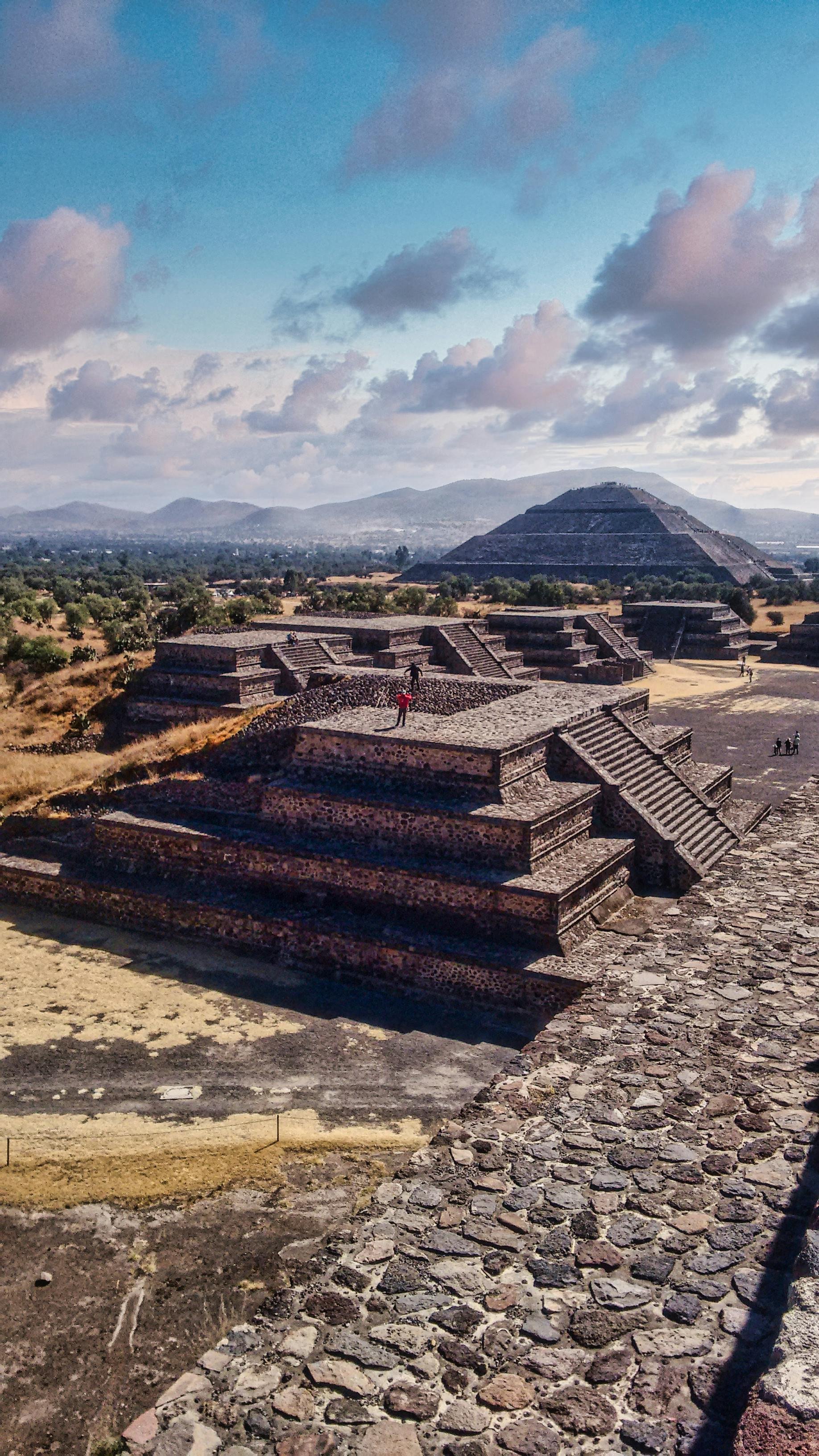
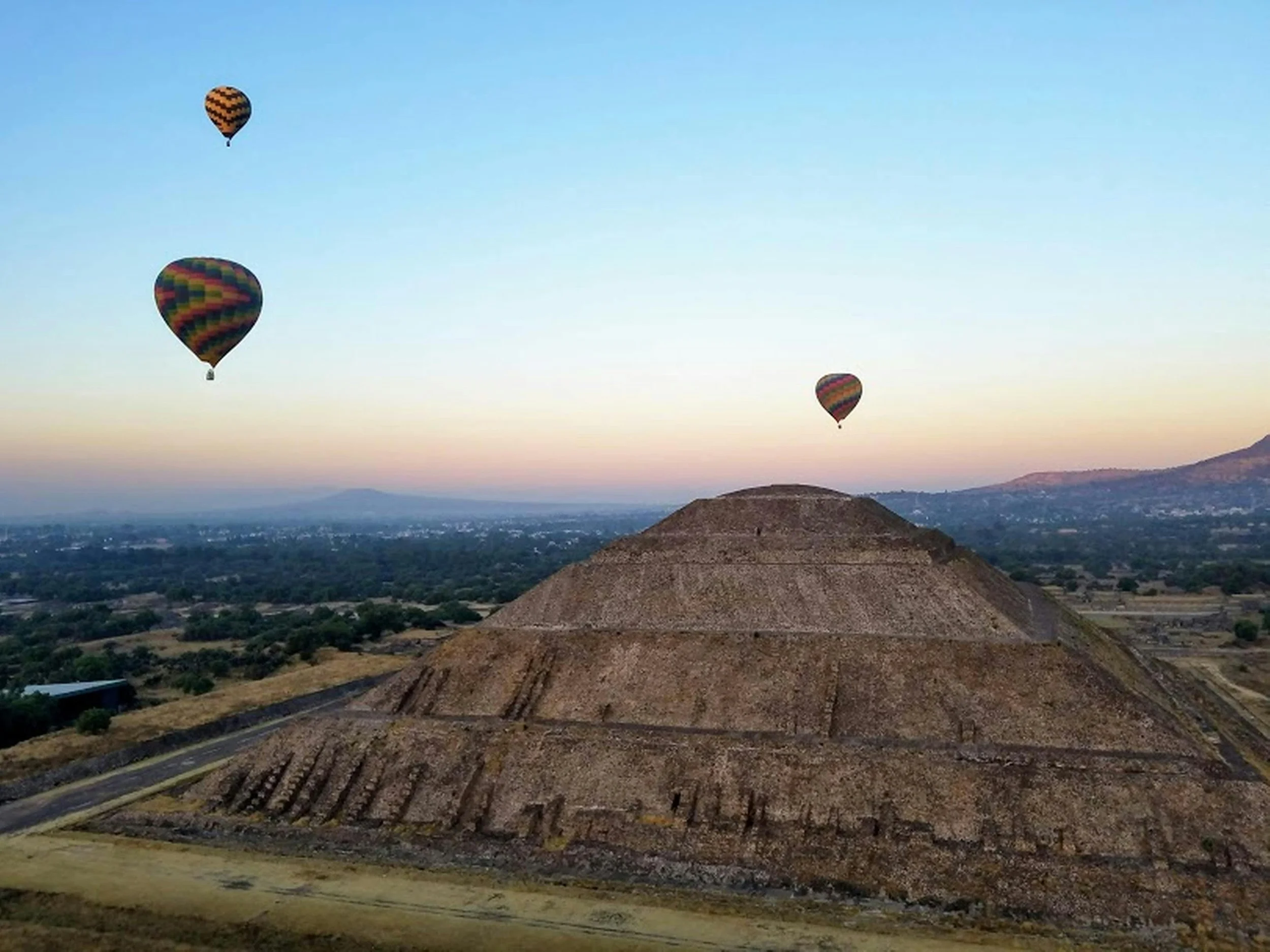
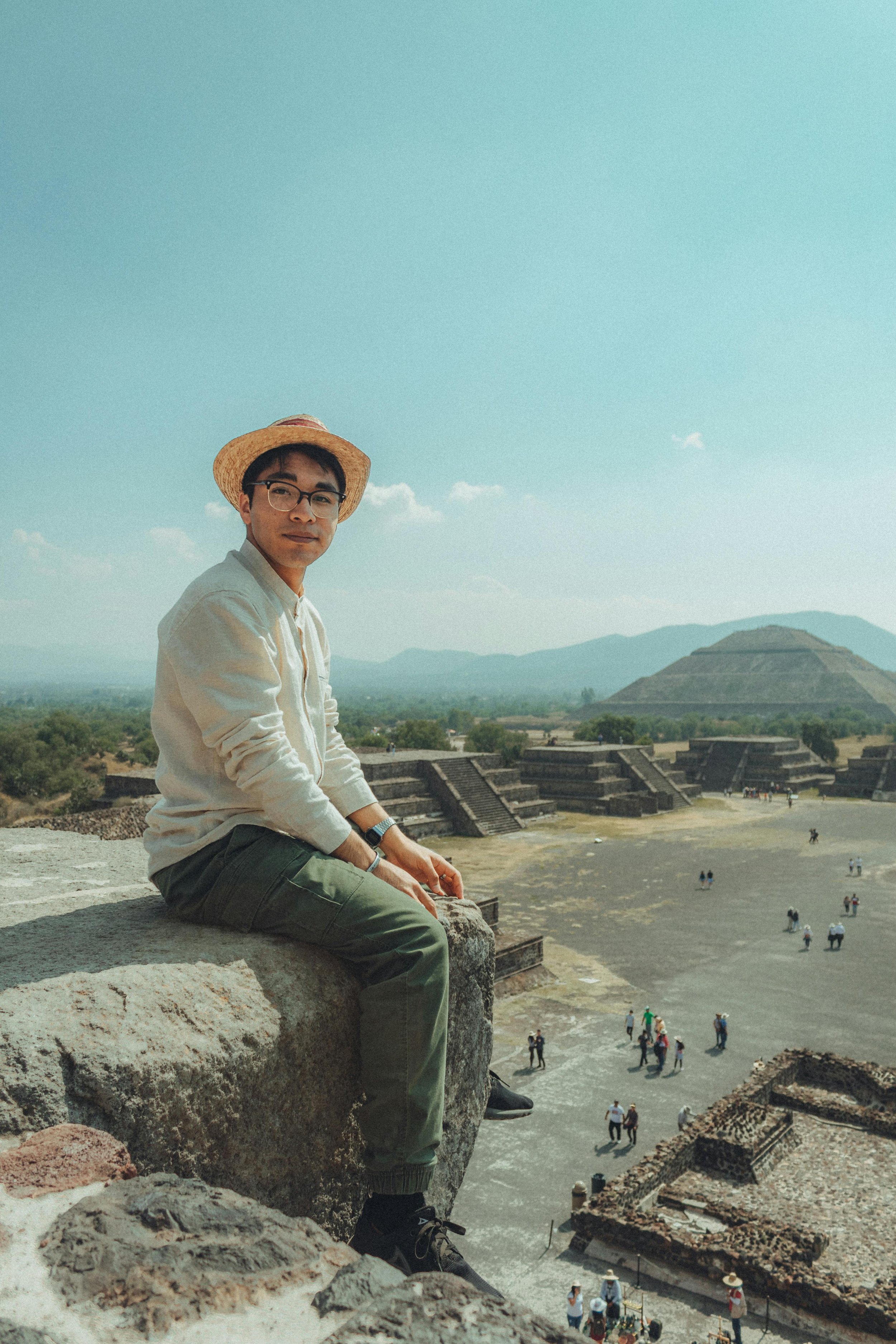
Teotihuacán is a pre-Columbian city located about 50 kilometers northeast of Mexico City. At its peak, roughly 100–650 AD, it was one of the largest cities in the world — home to an estimated 100,000 to 200,000 people and the most powerful urban center in Mesoamerica. Its two main structures, the Pyramid of the Sun and the Pyramid of the Moon, remain among the largest pyramids ever built.
What makes Teotihuacán unusual — and genuinely mysterious — is that nobody knows who built it. The Aztecs arrived centuries after the city had been abandoned, named it ("the place where men become gods"), and assumed the pyramids were burial mounds for great rulers. Archaeological evidence has since shown they weren't tombs. The builders left no written language. Their identity, their origin story, and their reasons for eventually abandoning the city remain open questions that scholars are still actively researching.
Is there more to Teotihuacán than the two main pyramids?
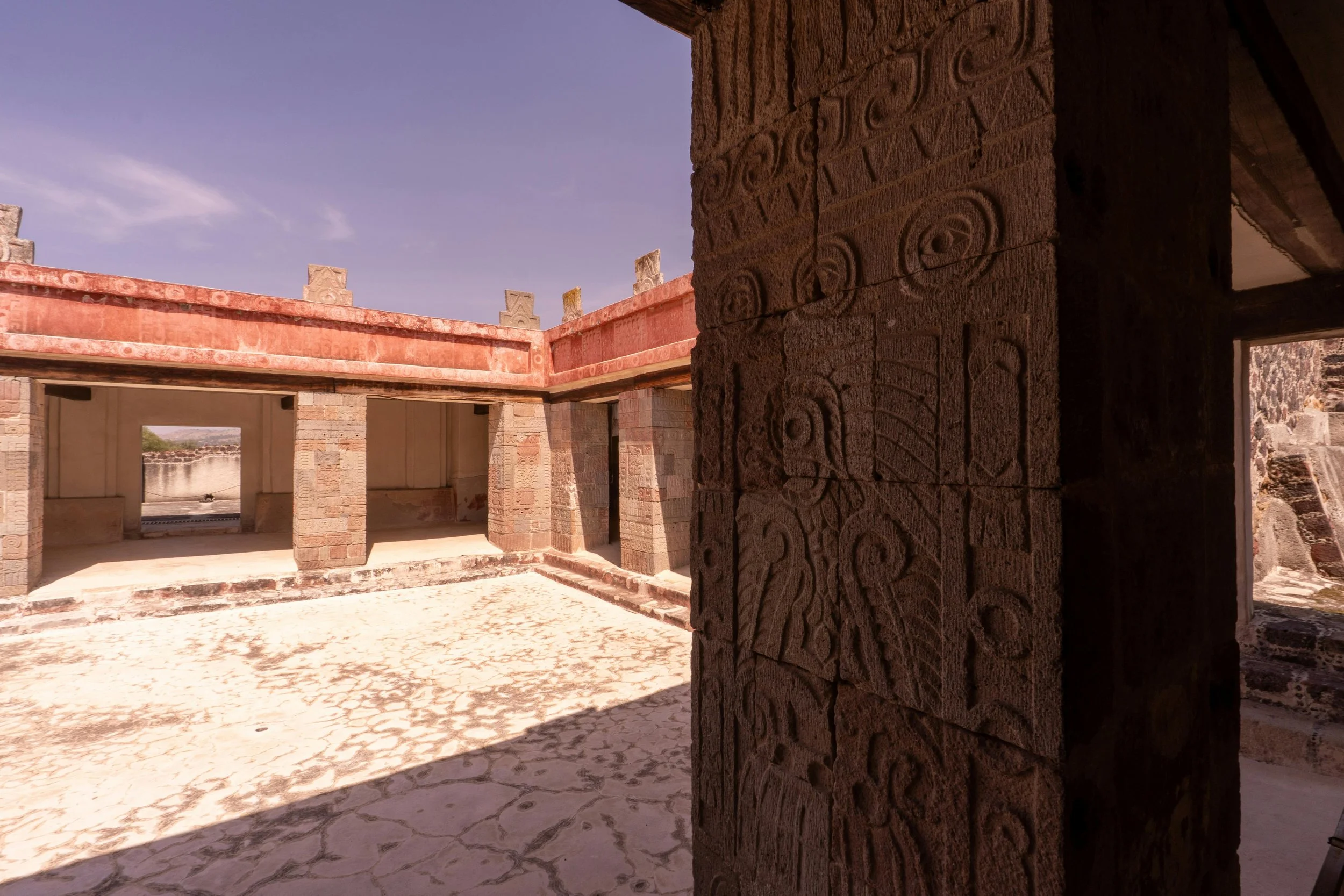
Significantly. The Avenue of the Dead stretches nearly two miles through the site and is lined with palace complexes, temples, and residential compounds most passive visitors walk past without ever realizing the weight of their significance. The Temple of the Feathered Serpent — also called the Temple of Quetzalcóatl — at the southern end of the site features some of the most detailed carved stone at any Mesoamerican site. The Palace of Quetzalpapálotl contains remarkably preserved murals and carved pillars depicting a butterfly-jaguar hybrid deity.
There is also a network of caves and tunnel systems within the site's grounds. These are not accessible on standard tours, not even on private tours booked through the major booking platforms. They require a specialist guide with specific access and knowledge of the site's ceremonial geography. These spaces were used for ritual and offering, understood by the ancient inhabitants as literal entrances to the underworld. Beginning a visit to Teotihuacán in these spaces — underground, in the dark, with a guide who understands what they meant — changes the experience of the pyramids that follows in ways that are difficult to describe and easy to feel.
What is the best way to visit Teotihuacán?
Arrive early. The site opens at 9 AM, and by midday the Avenue of the Dead is crowded and hot, with very little shade. An early arrival — ideally at opening — gives you the first hour with a fraction of the foot traffic.
Skip the group bus tours. They move at the pace of the slowest member, stop at tourist markets, and cover only the main structures on a fixed route. A private guide with deep site knowledge moves at your pace, goes where you direct, and can access areas and knowledge that a group tour cannot.
The difference between a basic private tour and a specialist-led one is not so much price as it is access and depth. A guide who has spent years studying the site (and possibly with academic degrees to boot) will show you the cosmological logic embedded in the architecture: how the 260-day Mesoamerican calendar is encoded in the pyramid's solar alignment, how the site's geometry mirrors the natural landscape, why the street grid is oriented the way it is. These are not details you’ll find on the limited signage throughout the grounds. These insights require a guide who deeply cares about this place.
Teotihuacán is one of the destinations where working with an advisor who has firsthand experience — and relationships with the right specialists — makes the difference between a visit and an encounter.
What are the practical logistics for Teotihuacán?
The site is about an hour's drive from Mexico City depending on traffic. Standard entry is minimal — under $5 USD as of 2026. Climbing the Pyramid of the Sun has been prohibited since 2020, but, as of May 2025, the Pyramid of the Moon has reopened with restrictions. Tickets are purchased at the gate; advance booking is not required for entry but is essential for guided tours during peak season.
Wear sun protection and bring water. There is almost no shade on the main avenue.
Half a day is enough for most visitors. A full day is warranted if you're going below the surface.
What is San Miguel de Allende, and is it worth the hype?
San Miguel de Allende is a colonial city in Mexico's central highlands, in the state of Guanajuato, about 170 miles northwest of Mexico City — roughly a three-and-a-half-hour drive – plus 2 nearby airports (QRO and BJX) with direct connections to select US cities for the return home. It's been a UNESCO World Heritage Site since 2008, and has been named one of the world's best cities by Travel + Leisure multiple times.
The short answer to whether it's worth the hype: yes, with the right framing. San Miguel is popular — its expat community runs somewhere between 10 and 30 percent of the population depending on the source — and that popularity has brought the predictable density of boutique hotels, galleries, and rooftop bars.
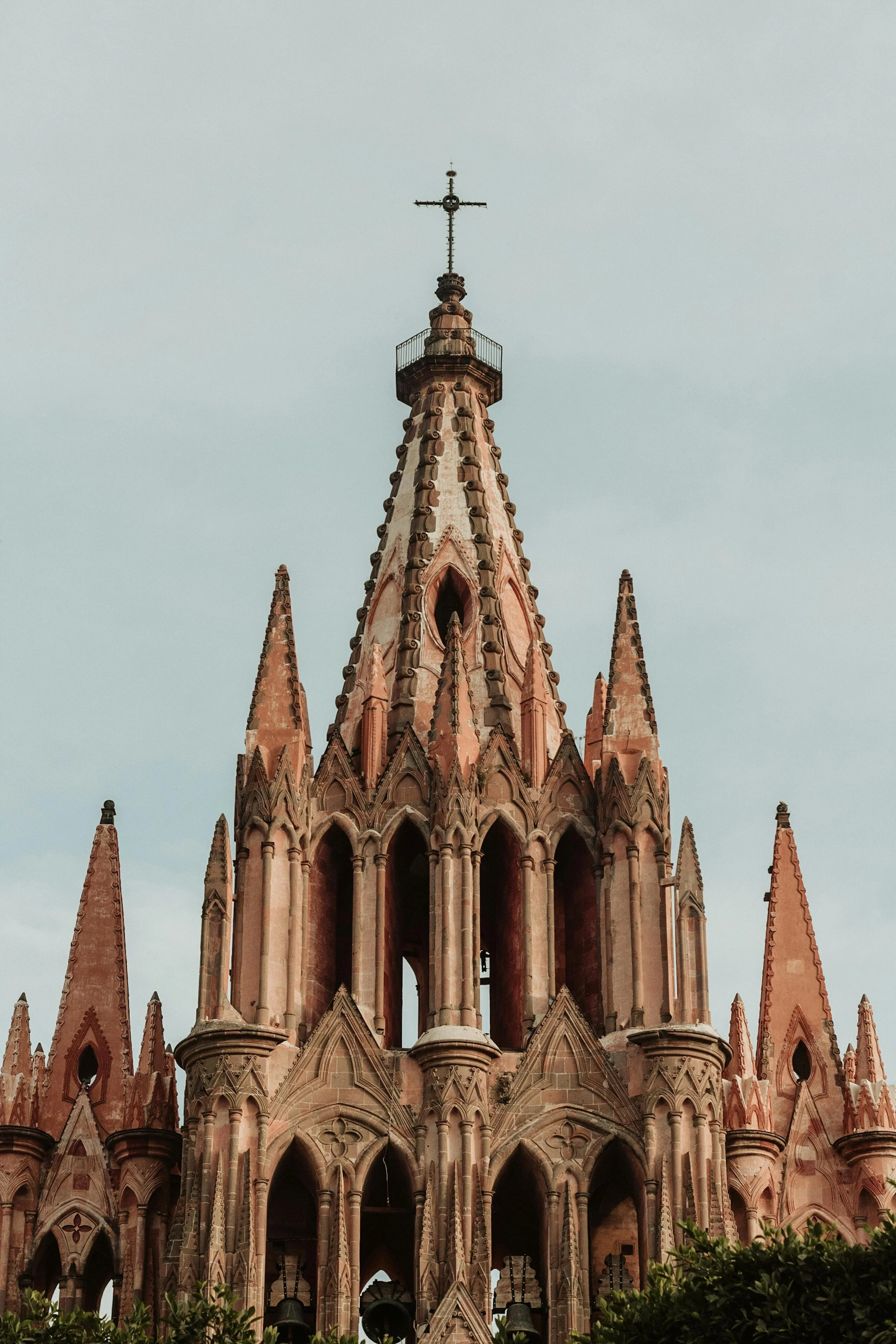
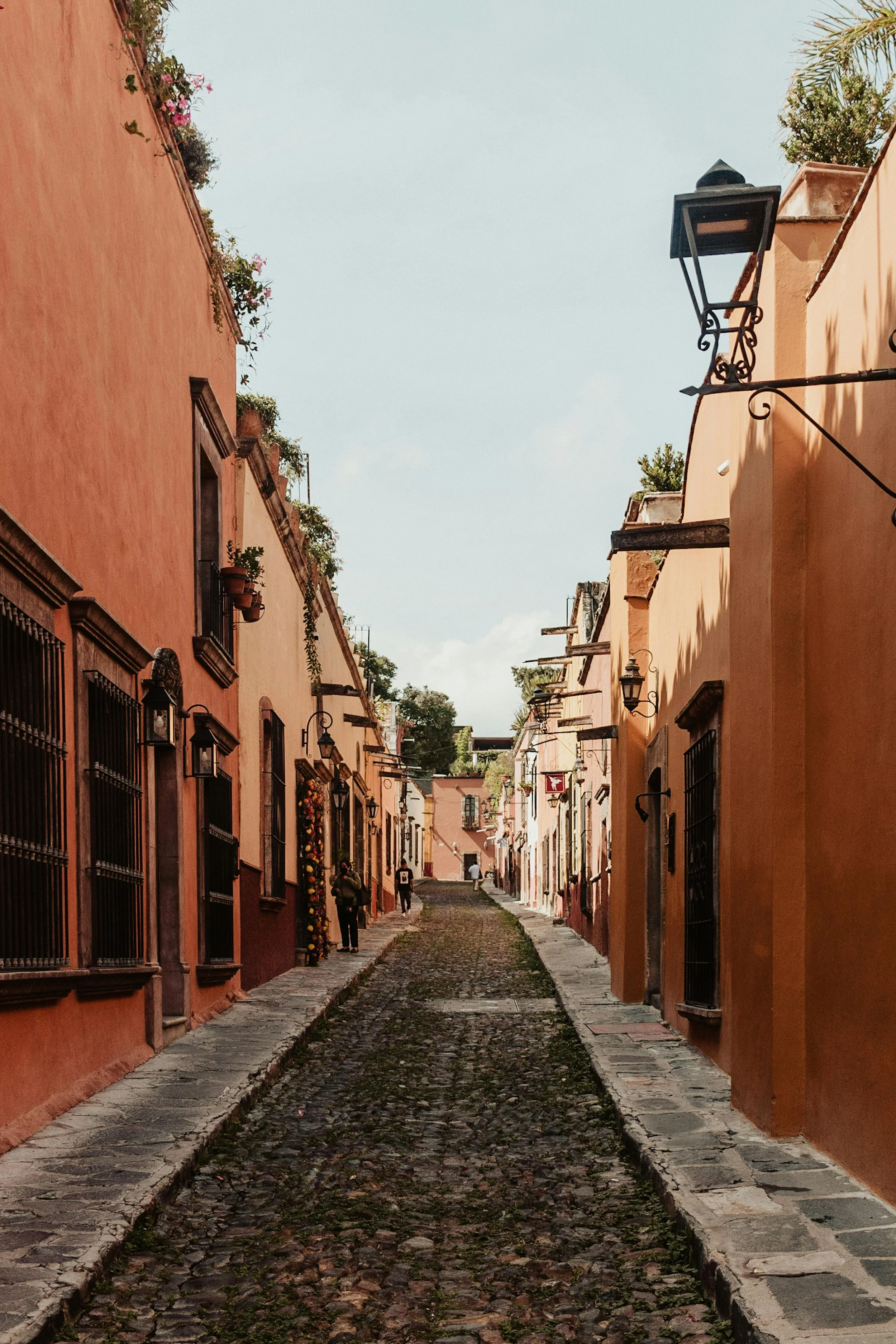
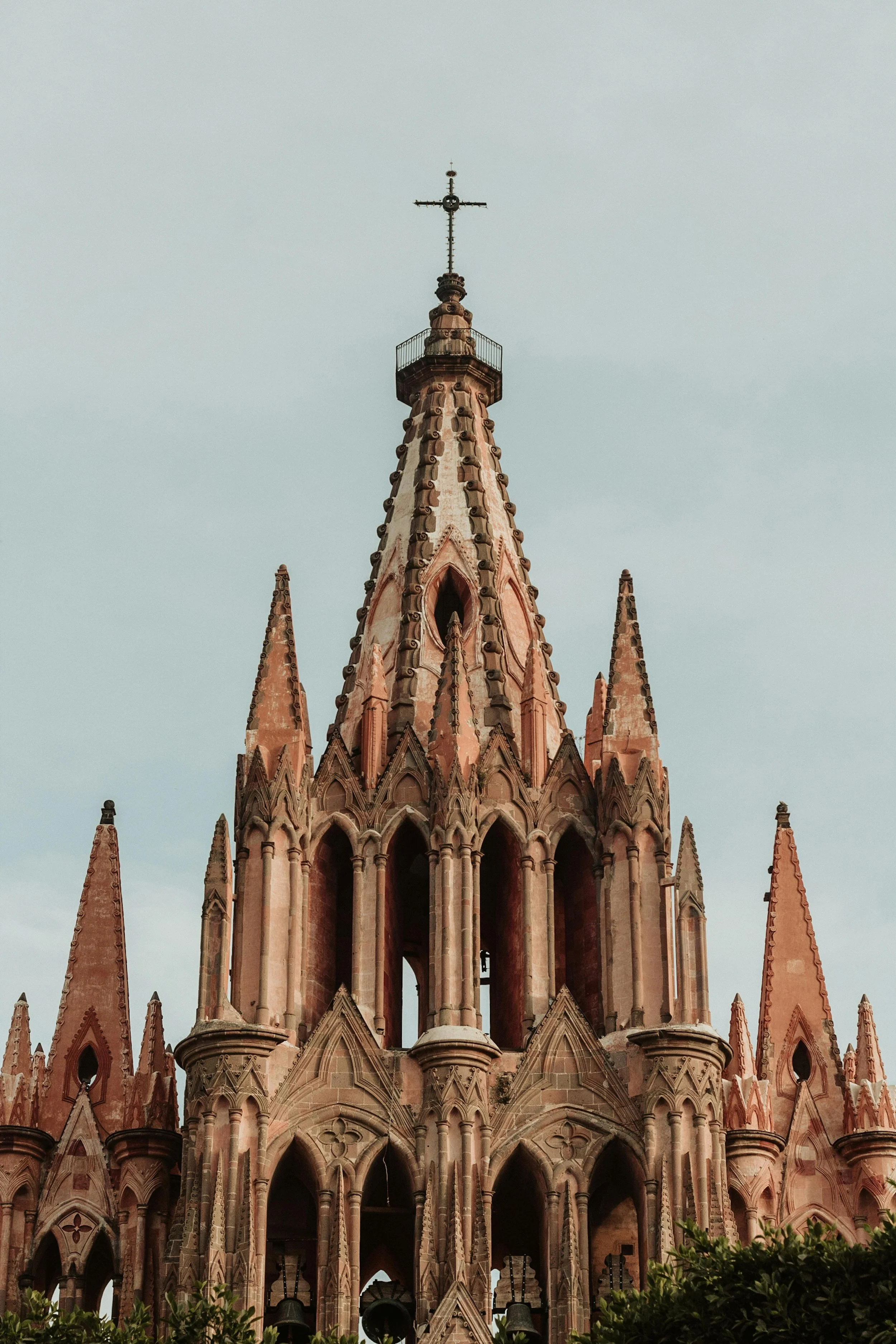
What it hasn't brought is homogenization. The city has held its character. The Parroquia's pink stone towers still anchor the Jardín Principal. The streets are still cobblestone, still lined with bougainvillea, still running on the rhythms of a Mexican highland city rather than a tourist economy performing as one.
The risk with San Miguel is spending all your time in the centro and leaving before you've found the city underneath the postcard.
What should most visitors do differently in San Miguel de Allende?
Three things stand out:
Do a proper food tour. Not a curated tasting menu or a hotel recommendation — a real circuit through the mercado and the neighborhoods, tasting the best-of-the-best from unmarked street vendors and poking your head in to quiet, unassuming restaurants that may or may not have a Google business profile. San Miguel has been named the Gastronomic Destination of Guanajuato, and to find it, you’ll need to stretch beyond the rooftop restaurants.
Observe Semana Santa. If you’re fortunate enough to time your visit to San Miguel during Holy Week, notice where crowds are gathering in the early evenings (good places to start: Plaza Principal near Parroquiaand Templo del Oratorio de San Felipe Neri). Deeply devoted processions fill the streets with yearning music, a hushed crowd, a slight fragrance from the plants ceremoniously tossed on the ground, children dressed as angels, men dressed as Roman soldiers, and floats in Jesus’ likeness, all paying homage to the final days of Christ. Resist the urge to record on your phone. Just experience it through your senses.
Visit a mojigangas workshop. Mojigangas are the giant papier-mâché figures — up to 15 feet tall — that appear in San Miguel's festivals, wedding processions, and street celebrations. They originated in Spain and arrived in Mexico in the 1600s; San Miguel's version has become its own tradition, particularly associated with the callejoneadas that wind through the streets before weddings. Making one is hands-on, slow, and genuinely absorbing work — papier-mâché, layers of paint, attention applied to something physical and made-by-hand. The most notable workshop is run by Hermes Arroyo, a third-generation artist whose family has been making mojigangas in San Miguel for decades; his work appears in weddings and festivals throughout Mexico and internationally. He and his studio accept visitors and run workshops.
For travelers who spend most of their lives in front of screens, this is the kind of experience that lands differently than expected. It's harder to book through a search engine than it sounds.
How do Teotihuacán and San Miguel de Allende work together as a trip?
They complement each other in the way that the best itineraries do: contrast in mood, continuity in depth.
Teotihuacán is ancient, monumental, and still generating questions that archaeology can't fully answer. San Miguel is colonial, human-scaled, and humming with creative life. One asks you to stand inside a civilization's attempt to encode the cosmos in stone. The other asks you to slow down and use your hands.
Together they represent something that's rare in Mexico's tourism narrative — not the beach resort, not the all-inclusive, not the ruins-and-tequila itinerary — but an engagement with layers of Mexican history and culture that most visitors don't know are accessible.
How far in advance should I plan this trip?
For Mexico City and Teotihuacán: logistics are flexible. The site does not require advance ticket booking. A specialist guide, however, should be secured well ahead — particularly in peak season (November through April, and Semana Santa).
For San Miguel de Allende: the Rosewood San Miguel de Allende is the benchmark luxury property — book it three to six months ahead for peak season. The mojigangas workshop with Hermes Arroyo is best arranged in advance; contact his studio directly, or through an advisor.
The trip can be designed as a long weekend from any US city with a direct Mexico City flight, or extended into a week with additional time in Oaxaca or the Yucatán.
Rekindle Travel designs private, luxury adventure journeys to the ancient and natural wonders of the world. If Central Mexico is calling to you, start the conversation here.